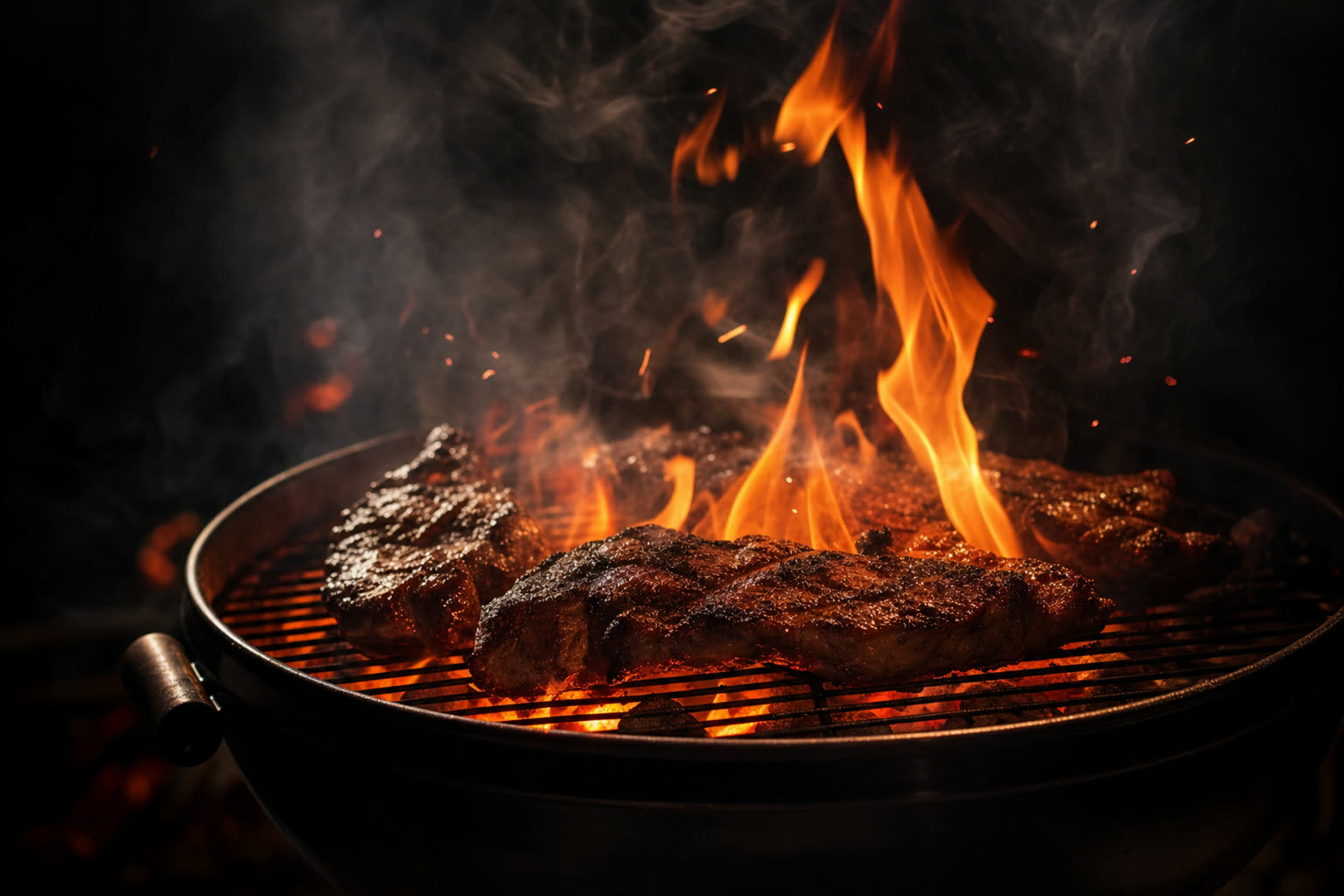
GAS GRILLS UNDER $500
Six picks that are commonly under $500 in 2026, plus a fast checklist to avoid thin-metal lemons.
In the under-$500 category, the goal is simple: even heat, reliable ignition, and a firebox that won’t warp. Ignore flashy extras until you’ve checked the basics: grate material, lid weight, warranty length, and whether replacement burners are easy to find.
Our 2026 picks: gas grills under $500 worth buying
1. Weber Spirit E-210 (2-burner)
Small but consistent heat; great warranty/parts support.
2. Char-Broil Performance 4-Burner (cabinet style)
Big surface area for family cooks; solid value when discounted.
3. Nexgrill 4-Burner Stainless (with side burner)
Lots of features for the money; great for weeknight grilling.
4. Monument Grills Mesa 415BZ (infrared sear)
High-heat sear zone for steak fans under $500.
5. Weber Q 2200 (portable, cast aluminum)
Premium-feeling portable that holds heat and resists rust.
6. Char-Broil Grill2Go X200 (rugged portable)
Tough travel grill for camping/tailgating; lights reliably.
What to expect from a “good” budget gas grill
A great under-$500 grill won’t feel like a commercial kitchen appliance, but it can cook restaurant-level food. The difference is usually consistency: better grills preheat faster, recover heat after you flip a pile of burgers, and don’t flare up every time a chicken thigh drips fat.
In this price range, you’re trading away thick welded stainless steel and luxury fit-and-finish. So the smart move is to spend your money on the parts that affect cooking: a lid that holds heat, grates that store heat, burners that light reliably, and a layout that lets you create two temperature zones.
How we judge gas grills under $500
- Heat evenness: can you toast buns on one side without incinerating them on the other?
- Preheat + sear: does it reach high heat quickly, and do the grates keep enough energy for a real crust?
- Flare-up control: are the heat plates/tents positioned to vaporize drippings without turning the cook into a grease fire?
- Ignition reliability: does it light consistently after a year of use?
- Parts support: are replacement burners and igniters easy to order so the grill is fixable?
Two-zone cooking: the technique that makes cheap grills cook better
Most “bad grill” experiences come from running everything on high. On a budget grill, high heat exaggerates hot spots and causes flare-ups. Two-zone cooking lets you use high heat briefly (for crust) and finish gently (for doneness) without scorching.
For burgers: sear 2 minutes per side over the hot zone, then slide to the cooler zone to finish to temp. For chicken: start on medium heat to render fat, then crisp skin over higher heat at the end. For steak: sear hard, then finish indirectly with the lid closed until you hit your target internal temp.
Thermometer tip
Gas grills cook fast. An instant-read thermometer prevents overcooking and makes any grill feel “better.” If you’re new, start with our BBQ 101 tool list.
Budget-grill traps to avoid
Trap #1: Thin fireboxes and flimsy lids
If the lid feels light and rattly, the grill will struggle in wind and cold. You’ll waste fuel and fight hot spots. A heavier lid usually means better heat retention (and better cooking results).
Trap #2: Too many burners for the build quality
More burners looks impressive, but it doesn’t guarantee even heat. A sturdy 2–3 burner grill can beat a cheap 5-burner that’s built from thin metal. Buy the burner count you’ll actually use — then prioritize grate and lid quality.
Trap #3: Neglecting cover + basic maintenance
Most grills die from moisture, grease, and clogged burners. Keep it covered, brush grates after each cook, and do a quick deep clean every few weeks (scrape the grease tray and clear burner ports). That maintenance adds years of life to a budget grill.
How to choose (fast checklist)
- Buy for your space: 2 burners is plenty for patios; 3–4 burners is better for families and entertaining.
- Two-zone cooking matters: you want a hot side for searing and a cooler side for finishing thick cuts.
- Grates: thicker stainless rods or porcelain-coated cast iron sear better than thin wire grates.
- Lid + firebox feel: heavier usually means better heat retention and fewer hot spots.
- Parts + warranty: if burners, heat plates, and igniters are easy to replace, the grill lasts longer.
Two-zone setup in 20 seconds
Preheat all burners 10 minutes. Then run one side on MED-HIGH for searing and the other on LOW (or off) for finishing. Sear first, then slide over to cook through gently.
Accessories that are actually worth buying
- A solid grill brush + scraper to keep grates clean (dirty grates cause sticking and uneven browning).
- A small cast-iron skillet for onions, mushrooms, and smash burgers on the side burner.
- A full propane tank backup if you grill weekly — running out mid-cook is a rite of passage.
Bottom line
If you want the safest long-term bet, the Weber Spirit E-210 is the compact “buy once” pick. If you want more room under $500, look for a well-built 3–4 burner from a major brand with easy replacement parts. And if you travel, the Weber Q or Grill2Go are far better than flimsy no-name portables.
Next: learn the basics (and the only tools you really need) in our BBQ 101 guide.
Get the Free Brisket Cheat Sheet
The one-page temp-and-timing chart we keep taped inside our smoker lid. Join 18,000+ backyard pitmasters getting our weekly cook tips.
No spam. Unsubscribe anytime. We never sell your email.
🔥 You're in! Check your inbox — your Brisket Cheat Sheet is on the way.